Buy atletyc.eu ?
We are moving the project
atletyc.eu .
Are you interested in purchasing the domain
atletyc.eu ?
domain@kv-gmbh.de · 0541-91531010
Buy atletyc.eu ?
Instead of batteries, rechargeable batteries, and instead of rechargeable batteries, batteries?
Instead of using single-use batteries, which contribute to environmental waste, it is better to use rechargeable batteries. Rechargeable batteries can be used multiple times, reducing the amount of waste generated. However, if rechargeable batteries are not available or practical, using standard single-use batteries is still a better option than not using any batteries at all. It's important to consider the environmental impact and choose the most sustainable option whenever possible. **
'Goldcap or rechargeable batteries?'
Goldcap batteries, also known as supercapacitors, are known for their high power density and long cycle life, making them ideal for applications that require frequent and rapid charging and discharging. On the other hand, rechargeable batteries are more commonly used for their energy density and ability to hold a charge for longer periods of time. The choice between goldcap and rechargeable batteries depends on the specific requirements of the application, with goldcap batteries being more suitable for high-power, short-duration applications, while rechargeable batteries are better for longer-lasting power needs. **
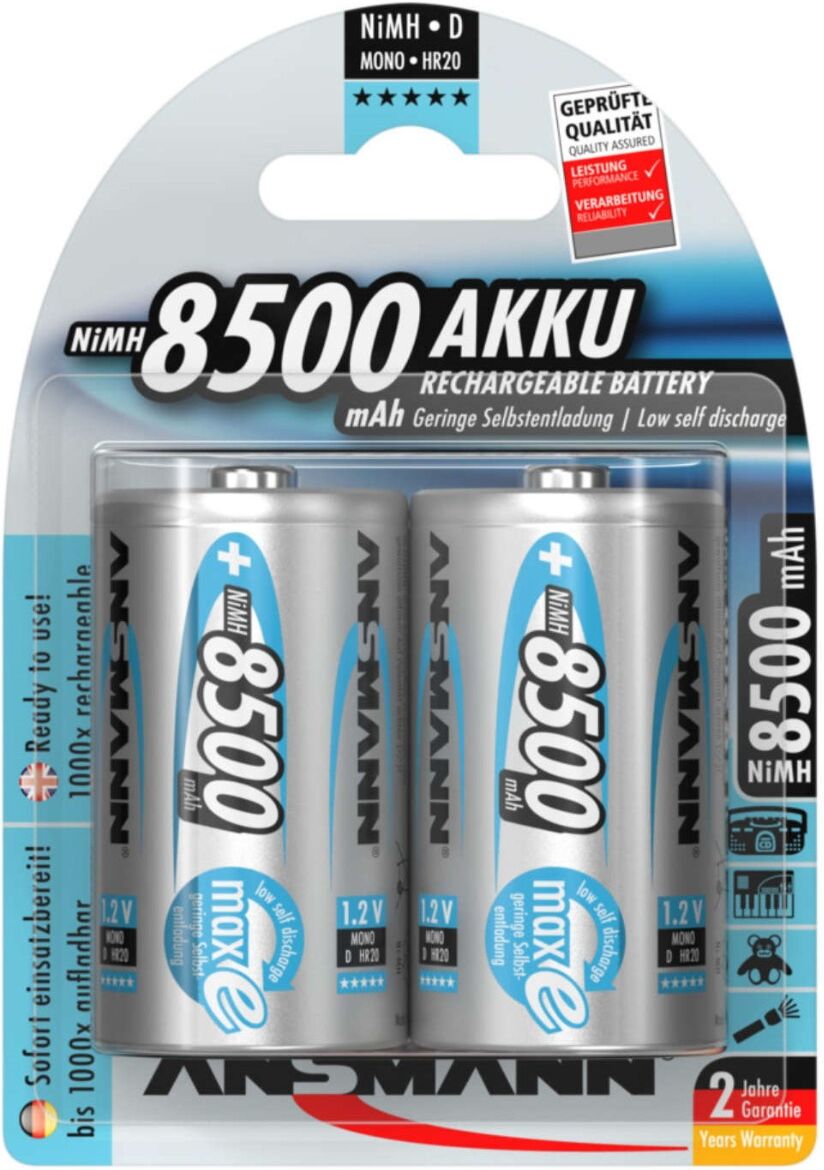
Similar search terms for Ansmann-Rechargeable-D-Batteries
Top-Angebote
Products related to Ansmann-Rechargeable-D-Batteries:
-
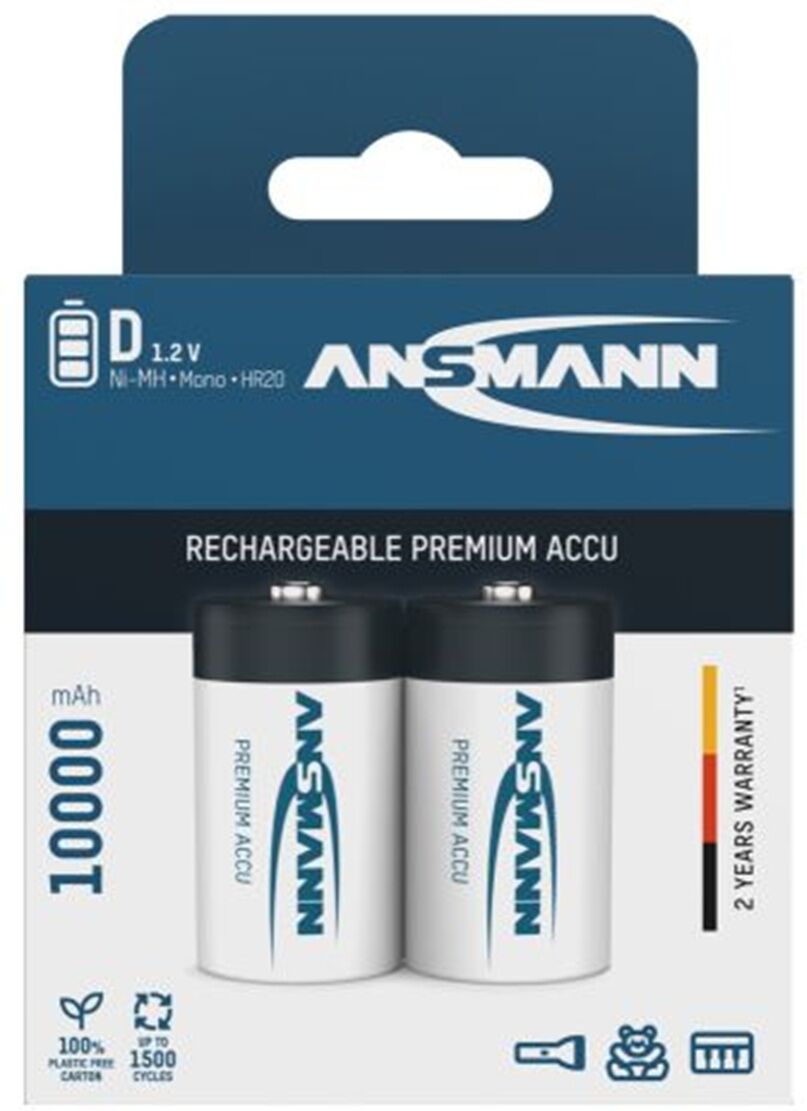
Ansmann High Capacity D HR20 10000mAh Rechargeable Batteries 2 PackUnshackle Power: Ansmann D 10000mAh Batteries - Built for the Extraordinary Introducing Ansmann Max-E D HR20 10000mAh Pre-Charged Rechargeable Batteries in a pack of 2, an unparalleled solution for high-demand power needs. These batteries boast the highest capacity among rechargeable D cells available on the market. They are specifically designed to meet the needs of both business and consumer customers, offering reliable and long-lasting power for a wide range of devices. Features Include: Unmatched Capacity: With a 10000mAh rating, these batteries provide the longest running time in their class, making them ideal for high-drain devices. Special Charger Requirement: Due to their high capacity, these batteries require an Ansmann charger for optimal performance and longevity. Standard chargers are incompatible, ensuring that the unique power needs of these cells are precisely met. Eco-Friendly Choice: As rechargeable batteries, they significantly reduce waste and environmental impact compared to disposable alternatives. Versatility: Perfect for a range of devices, from professional equipment to everyday household items. While these batteries arrive pre-charged, it is important to note that they may not be at full capacity. For best results, we recommend a full charge before first use, if possible. This ensures that you experience the full power and efficiency that these batteries are designed to deliver. Additional Specifications: Battery Type: D HR20 Capacity: 10000mAh Chemistry: NiMH (Nickel-Metal Hydride) Rechargeable: Yes Recommended Charger: Ansmann specific chargers The Ansmann Max-E D HR20 10000mAh batteries are not just a purchase; they are an investment in quality and sustainability. With their exceptional capacity and eco-friendliness, they cater to both the power demands of today and the environmental considerations of tomorrow. Whether for business use or personal devices, these batteries are sure to exceed expectations.20,95 £*Shipping: 2,49 £Secure redirect to the provider
-
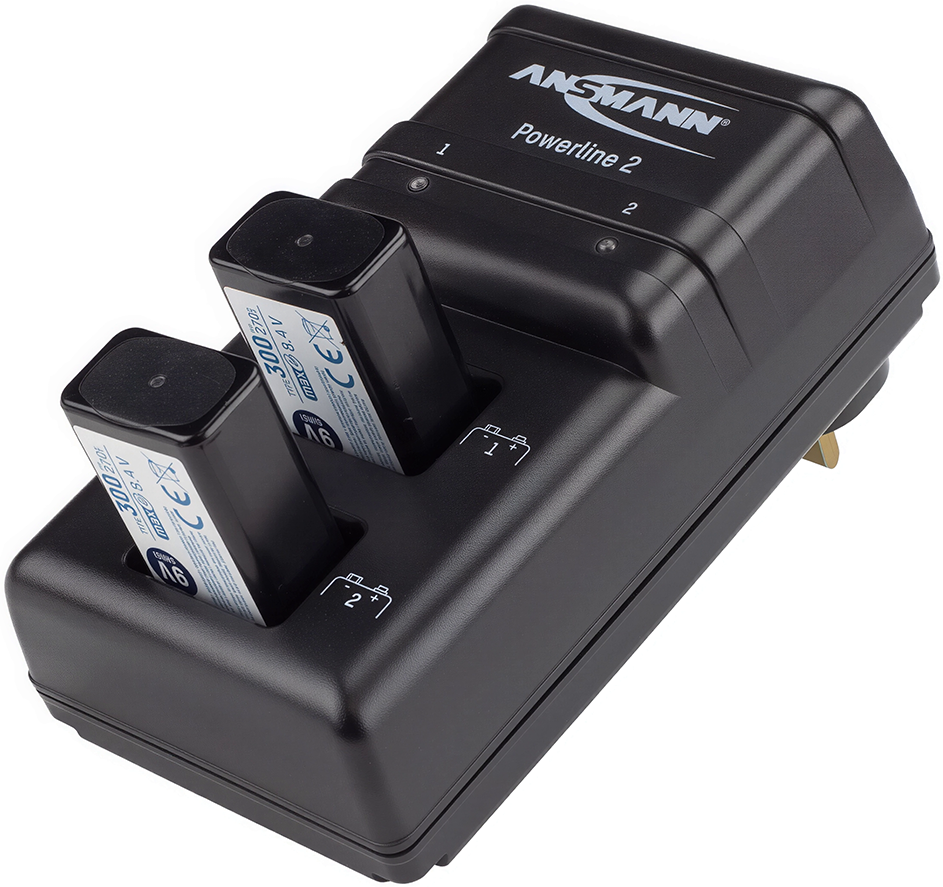
Ansmann Powerline 2 Charger with 2 x Ansmann 300mAh 9V Rechargeable BatteriesThe Ansmann Powerline 2 Bundle combines a dedicated intelligent 9V battery charger with two high-capacity Ansmann 300mAh rechargeable 9V batteries, providing a complete power solution for wireless microphones, audio equipment, effects pedals, test instruments and other devices designed for rechargeable 9V batteries. Unlike many universal battery chargers, the Powerline 2 has been specifically designed for charging modern high-capacity 8.4V (9V nominal) NiMH rechargeable batteries. Paired with the included Ansmann 300mAh cells, it delivers a reliable and convenient charging solution for professional and demanding users. Key Features Complete bundle including Powerline 2 charger and 2 x Ansmann 300mAh rechargeable 9V batteries Charger specifically designed for 8.4V NiMH PP3 rechargeable batteries High-capacity 300mAh batteries for extended runtime between charges Intelligent microprocessor-controlled charging with automatic charge termination Individual charging channel monitoring for optimum battery care Maintenance charging function helps keep batteries ready for use Rechargeable hundreds of times, reducing ongoing battery costs Ideal for wireless microphones, in-ear monitor systems, audio equipment and guitar effects pedals Ideal for Wireless Microphones and Audio Equipment The supplied Ansmann 300mAh batteries are widely used in professional audio applications where reliable rechargeable power is essential. They are particularly suitable for wireless microphone transmitters, wireless instrument systems, in-ear monitoring packs and other equipment designed to operate with rechargeable 8.4V PP3 batteries. Rechargeable NiMH batteries offer a stable power output throughout much of their discharge cycle, making them a popular choice for musicians, sound engineers, theatres, conference venues, houses of worship and AV professionals. Designed to Work Together This bundle pairs Ansmann’s Powerline 2 charger with two of their high-capacity 300mAh 9V rechargeable batteries. The charger has been specifically designed for 8.4V NiMH PP3 batteries, ensuring reliable charging and optimum battery performance. A fully discharged 300mAh battery will typically recharge in around 6–8 hours. Automatic charge termination and maintenance charging help keep the batteries ready for use while protecting against overcharging. Technical Specifications Charger Model: Ansmann Powerline 2 Battery Compatibility: 1–2 x 8.4V NiMH / NiCd PP3 (9V) rechargeable batteries Charging Bays: 2 independent charging channels Charge Control: Microprocessor controlled Automatic Charge Termination: Yes Maintenance Charging: Yes Individual Battery Monitoring: Yes Reverse Polarity Protection: Yes Included Batteries Quantity: 2 batteries Manufacturer: Ansmann Battery Type: NiMH rechargeable Size: PP3 / HR22 / 9V Nominal Voltage: 8.4V Capacity: 300mAh Pre-charged: Yes Low self-discharge technology: Yes Whether you are powering wireless microphones for live performances, maintaining rechargeable...39,95 £*Shipping: 2,49 £Secure redirect to the provider
-
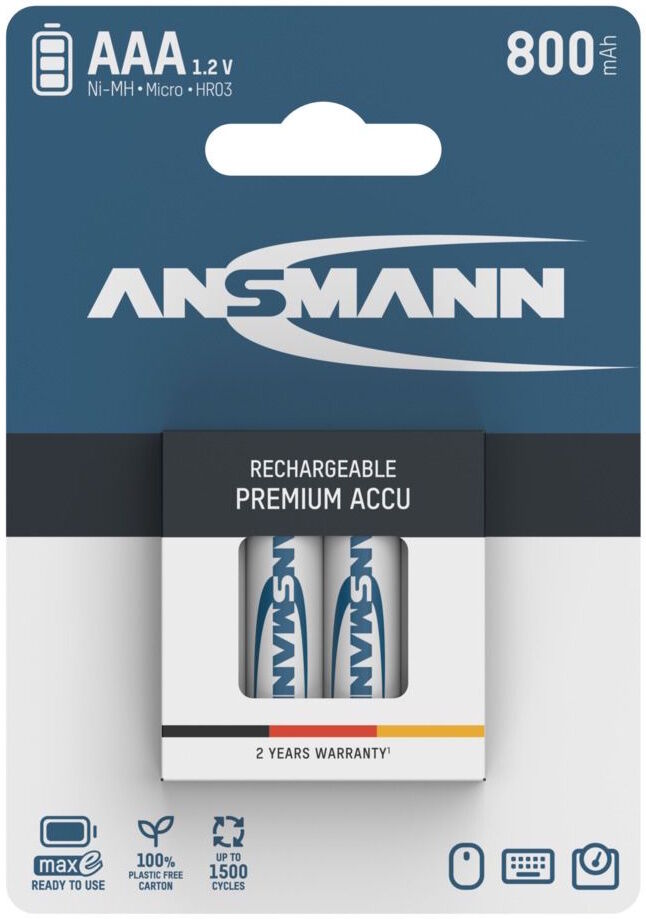
Ansmann Maxe AAA Rechargeable Batteries 800mAh NiMH 4PackAnsmann maxE rechargeable AAA 800mAh batteries are the new range of Ready-to-Use or Pre-Charged rechargeable batteries. They are fully charged on purchase and can be used straight from the pack. The other huge advantage of Ansmann maxE AAA batteries is their low self-discharge rate. This means they do not lose their charge as quick as ordinary rechargeable batteries, in fact they will stay charged for up to 12 months. These Ansmann maxE AAA rechargeable batteries are NiMH (Nickel Metal Hydride) and have a high capacity of 800mAh. We sell these in packs of 4.6,75 £*Shipping: 1,98 £Secure redirect to the provider
-
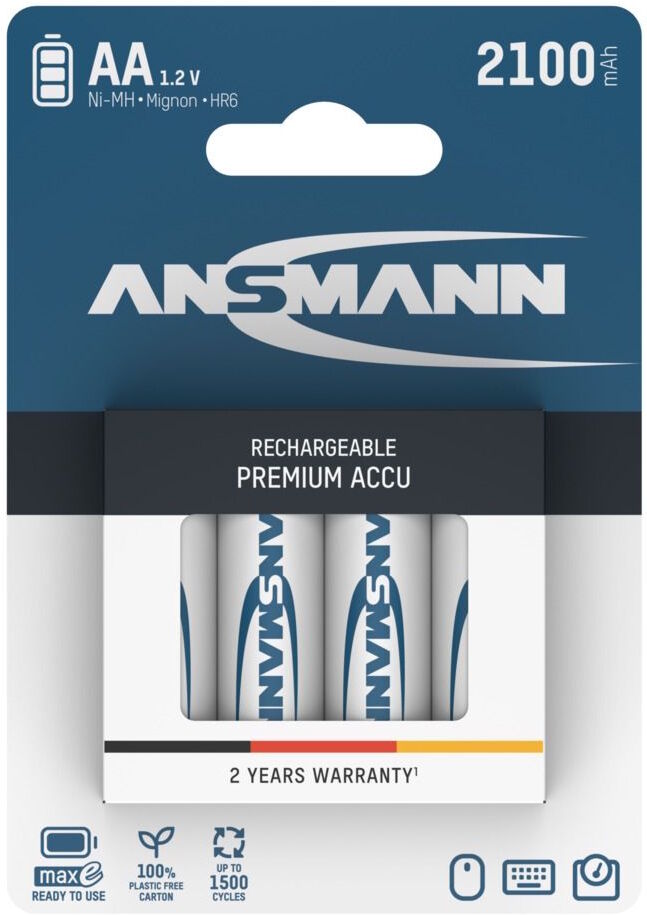
Ansmann Maxe AA Rechargeable Batteries 2100mAh NiMH 4PackAnsmann maxE rechargeable batteries are the new range of Ready-to-Use or Pre-Charged rechargeable batteries. They are fully charged on purchase and can be used straight from the pack. The other huge advantage of Ansmann maxE batteries is their low self-discharge rate. This means they do not lose their charge as quick as ordinary rechargeable batteries, in fact they will stay charged for up to 12 months. These Ansmann maxE AA rechargeable batteries are NiMH (Nickel Metal Hydride) and have a high capacity of 2100mAh. We sell these in packs of 4.9,95 £*Shipping: 2,45 £Secure redirect to the provider

-
What is the difference between eneloop rechargeable batteries and conventional non-rechargeable batteries?
Eneloop rechargeable batteries are designed to be recharged and used multiple times, making them more cost-effective and environmentally friendly compared to conventional non-rechargeable batteries, which are meant for single use and disposal. Eneloop batteries also have a lower self-discharge rate, meaning they can hold their charge for longer periods when not in use. Additionally, eneloop batteries are known for their consistent performance over multiple charge cycles, making them a reliable choice for devices that require frequent battery changes. **
-
Which batteries or rechargeable batteries fit in here?
The specific batteries or rechargeable batteries that fit in a device will depend on the make and model of the device. It's important to refer to the user manual or product specifications to determine the compatible batteries for your device. Additionally, some devices may be designed to only work with specific types or brands of batteries, so it's important to follow the manufacturer's recommendations for optimal performance and safety. **
-
What are the similarities between batteries and rechargeable batteries?
Batteries and rechargeable batteries both store and provide electrical energy for various devices. They both consist of one or more electrochemical cells that convert chemical energy into electrical energy. Additionally, both types of batteries have positive and negative terminals for connecting to electronic devices. The main difference is that rechargeable batteries can be recharged multiple times, while non-rechargeable batteries are designed for single use. **
-
Should rechargeable batteries be used instead of regular batteries?
Yes, rechargeable batteries are a more sustainable option compared to regular batteries because they can be reused multiple times, reducing waste. While rechargeable batteries may have a higher upfront cost, they are more cost-effective in the long run as they can be recharged hundreds of times. Additionally, using rechargeable batteries helps reduce the environmental impact of battery disposal and production. **
What is in the suitcase: batteries and rechargeable batteries?
The suitcase contains both regular batteries and rechargeable batteries. Regular batteries are single-use and must be disposed of after use, while rechargeable batteries can be used multiple times by recharging them. Both types of batteries are commonly used to power electronic devices such as cameras, flashlights, and remote controls. It's important to handle and dispose of batteries properly to minimize environmental impact. **
What do batteries and rechargeable batteries have in common?
Batteries and rechargeable batteries both store and provide electrical energy for various devices. They both consist of one or more electrochemical cells that convert chemical energy into electrical energy. Additionally, both types of batteries can be used to power a wide range of devices, from small electronics to electric vehicles. The main difference is that rechargeable batteries can be recharged and used multiple times, while non-rechargeable batteries are designed for single use. **
Top-Angebote
Products related to Ansmann-Rechargeable-D-Batteries:
-
Ansmann Rechargeable D Batteries NiMH 10,000mAh Pack of 2These extremely high capacity NiMH (Nickel Metal Hydride) Ansmann Maxe rechargeable batteries are ideal for use high drain equipment. They can be recharged up to 1000 times. Replaces D LR20 R20 HP2 MN1300 UM1 MONO. Recharge up to 1000 times. Nickel Metal Hydride Ni-MH. No memory effect. Very high capacity 10,000mAh (10Ah). Two batteries per pack. BuyaBattery.co.uk are Official Ansmann UK Stockists.20,95 £*Shipping: 2,75 £Secure redirect to the provider
-
Ansmann High Capacity D HR20 10000mAh Rechargeable Batteries 2 PackUnshackle Power: Ansmann D 10000mAh Batteries - Built for the Extraordinary Introducing Ansmann Max-E D HR20 10000mAh Pre-Charged Rechargeable Batteries in a pack of 2, an unparalleled solution for high-demand power needs. These batteries boast the highest capacity among rechargeable D cells available on the market. They are specifically designed to meet the needs of both business and consumer customers, offering reliable and long-lasting power for a wide range of devices. Features Include: Unmatched Capacity: With a 10000mAh rating, these batteries provide the longest running time in their class, making them ideal for high-drain devices. Special Charger Requirement: Due to their high capacity, these batteries require an Ansmann charger for optimal performance and longevity. Standard chargers are incompatible, ensuring that the unique power needs of these cells are precisely met. Eco-Friendly Choice: As rechargeable batteries, they significantly reduce waste and environmental impact compared to disposable alternatives. Versatility: Perfect for a range of devices, from professional equipment to everyday household items. While these batteries arrive pre-charged, it is important to note that they may not be at full capacity. For best results, we recommend a full charge before first use, if possible. This ensures that you experience the full power and efficiency that these batteries are designed to deliver. Additional Specifications: Battery Type: D HR20 Capacity: 10000mAh Chemistry: NiMH (Nickel-Metal Hydride) Rechargeable: Yes Recommended Charger: Ansmann specific chargers The Ansmann Max-E D HR20 10000mAh batteries are not just a purchase; they are an investment in quality and sustainability. With their exceptional capacity and eco-friendliness, they cater to both the power demands of today and the environmental considerations of tomorrow. Whether for business use or personal devices, these batteries are sure to exceed expectations.20,95 £*Shipping: 2,49 £Secure redirect to the provider
-
Ansmann Powerline 2 Charger with 2 x Ansmann 300mAh 9V Rechargeable BatteriesThe Ansmann Powerline 2 Bundle combines a dedicated intelligent 9V battery charger with two high-capacity Ansmann 300mAh rechargeable 9V batteries, providing a complete power solution for wireless microphones, audio equipment, effects pedals, test instruments and other devices designed for rechargeable 9V batteries. Unlike many universal battery chargers, the Powerline 2 has been specifically designed for charging modern high-capacity 8.4V (9V nominal) NiMH rechargeable batteries. Paired with the included Ansmann 300mAh cells, it delivers a reliable and convenient charging solution for professional and demanding users. Key Features Complete bundle including Powerline 2 charger and 2 x Ansmann 300mAh rechargeable 9V batteries Charger specifically designed for 8.4V NiMH PP3 rechargeable batteries High-capacity 300mAh batteries for extended runtime between charges Intelligent microprocessor-controlled charging with automatic charge termination Individual charging channel monitoring for optimum battery care Maintenance charging function helps keep batteries ready for use Rechargeable hundreds of times, reducing ongoing battery costs Ideal for wireless microphones, in-ear monitor systems, audio equipment and guitar effects pedals Ideal for Wireless Microphones and Audio Equipment The supplied Ansmann 300mAh batteries are widely used in professional audio applications where reliable rechargeable power is essential. They are particularly suitable for wireless microphone transmitters, wireless instrument systems, in-ear monitoring packs and other equipment designed to operate with rechargeable 8.4V PP3 batteries. Rechargeable NiMH batteries offer a stable power output throughout much of their discharge cycle, making them a popular choice for musicians, sound engineers, theatres, conference venues, houses of worship and AV professionals. Designed to Work Together This bundle pairs Ansmann’s Powerline 2 charger with two of their high-capacity 300mAh 9V rechargeable batteries. The charger has been specifically designed for 8.4V NiMH PP3 batteries, ensuring reliable charging and optimum battery performance. A fully discharged 300mAh battery will typically recharge in around 6–8 hours. Automatic charge termination and maintenance charging help keep the batteries ready for use while protecting against overcharging. Technical Specifications Charger Model: Ansmann Powerline 2 Battery Compatibility: 1–2 x 8.4V NiMH / NiCd PP3 (9V) rechargeable batteries Charging Bays: 2 independent charging channels Charge Control: Microprocessor controlled Automatic Charge Termination: Yes Maintenance Charging: Yes Individual Battery Monitoring: Yes Reverse Polarity Protection: Yes Included Batteries Quantity: 2 batteries Manufacturer: Ansmann Battery Type: NiMH rechargeable Size: PP3 / HR22 / 9V Nominal Voltage: 8.4V Capacity: 300mAh Pre-charged: Yes Low self-discharge technology: Yes Whether you are powering wireless microphones for live performances, maintaining rechargeable...39,95 £*Shipping: 2,49 £Secure redirect to the provider
-
Instead of batteries, rechargeable batteries, and instead of rechargeable batteries, batteries?
Instead of using single-use batteries, which contribute to environmental waste, it is better to use rechargeable batteries. Rechargeable batteries can be used multiple times, reducing the amount of waste generated. However, if rechargeable batteries are not available or practical, using standard single-use batteries is still a better option than not using any batteries at all. It's important to consider the environmental impact and choose the most sustainable option whenever possible. **
-
'Goldcap or rechargeable batteries?'
Goldcap batteries, also known as supercapacitors, are known for their high power density and long cycle life, making them ideal for applications that require frequent and rapid charging and discharging. On the other hand, rechargeable batteries are more commonly used for their energy density and ability to hold a charge for longer periods of time. The choice between goldcap and rechargeable batteries depends on the specific requirements of the application, with goldcap batteries being more suitable for high-power, short-duration applications, while rechargeable batteries are better for longer-lasting power needs. **
-
What is the difference between eneloop rechargeable batteries and conventional non-rechargeable batteries?
Eneloop rechargeable batteries are designed to be recharged and used multiple times, making them more cost-effective and environmentally friendly compared to conventional non-rechargeable batteries, which are meant for single use and disposal. Eneloop batteries also have a lower self-discharge rate, meaning they can hold their charge for longer periods when not in use. Additionally, eneloop batteries are known for their consistent performance over multiple charge cycles, making them a reliable choice for devices that require frequent battery changes. **
-
Which batteries or rechargeable batteries fit in here?
The specific batteries or rechargeable batteries that fit in a device will depend on the make and model of the device. It's important to refer to the user manual or product specifications to determine the compatible batteries for your device. Additionally, some devices may be designed to only work with specific types or brands of batteries, so it's important to follow the manufacturer's recommendations for optimal performance and safety. **
Similar search terms for Ansmann-Rechargeable-D-Batteries
-
Ansmann Maxe AAA Rechargeable Batteries 800mAh NiMH 4PackAnsmann maxE rechargeable AAA 800mAh batteries are the new range of Ready-to-Use or Pre-Charged rechargeable batteries. They are fully charged on purchase and can be used straight from the pack. The other huge advantage of Ansmann maxE AAA batteries is their low self-discharge rate. This means they do not lose their charge as quick as ordinary rechargeable batteries, in fact they will stay charged for up to 12 months. These Ansmann maxE AAA rechargeable batteries are NiMH (Nickel Metal Hydride) and have a high capacity of 800mAh. We sell these in packs of 4.6,75 £*Shipping: 1,98 £Secure redirect to the provider
-
Ansmann Maxe AA Rechargeable Batteries 2100mAh NiMH 4PackAnsmann maxE rechargeable batteries are the new range of Ready-to-Use or Pre-Charged rechargeable batteries. They are fully charged on purchase and can be used straight from the pack. The other huge advantage of Ansmann maxE batteries is their low self-discharge rate. This means they do not lose their charge as quick as ordinary rechargeable batteries, in fact they will stay charged for up to 12 months. These Ansmann maxE AA rechargeable batteries are NiMH (Nickel Metal Hydride) and have a high capacity of 2100mAh. We sell these in packs of 4.9,95 £*Shipping: 2,45 £Secure redirect to the provider
-
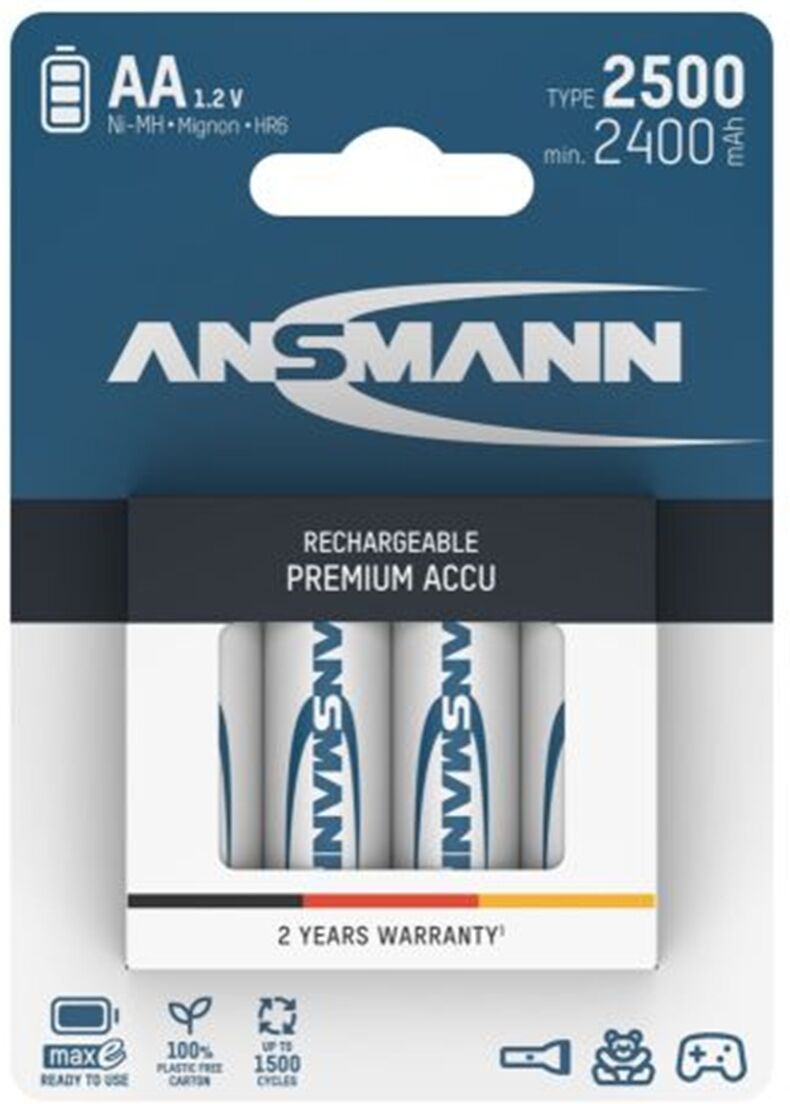
Ansmann Maxe AA Rechargeable Batteries 2500mAh NiMH 4PackThese brand new pre-charged stay charged Ansmann Maxe Plus 2500mAh NiMH AA rechargeable batteries are the highest capacity pre-charged rechargeable AA batteries we sell. Now available in the brand new blue and silver packaging. (Typical Capacity 2500mAh - Min Capacity 2400mAh)11,95 £*Shipping: 2,45 £Secure redirect to the provider
-
What are the similarities between batteries and rechargeable batteries?
Batteries and rechargeable batteries both store and provide electrical energy for various devices. They both consist of one or more electrochemical cells that convert chemical energy into electrical energy. Additionally, both types of batteries have positive and negative terminals for connecting to electronic devices. The main difference is that rechargeable batteries can be recharged multiple times, while non-rechargeable batteries are designed for single use. **
-
Should rechargeable batteries be used instead of regular batteries?
Yes, rechargeable batteries are a more sustainable option compared to regular batteries because they can be reused multiple times, reducing waste. While rechargeable batteries may have a higher upfront cost, they are more cost-effective in the long run as they can be recharged hundreds of times. Additionally, using rechargeable batteries helps reduce the environmental impact of battery disposal and production. **
-
What is in the suitcase: batteries and rechargeable batteries?
The suitcase contains both regular batteries and rechargeable batteries. Regular batteries are single-use and must be disposed of after use, while rechargeable batteries can be used multiple times by recharging them. Both types of batteries are commonly used to power electronic devices such as cameras, flashlights, and remote controls. It's important to handle and dispose of batteries properly to minimize environmental impact. **
-
What do batteries and rechargeable batteries have in common?
Batteries and rechargeable batteries both store and provide electrical energy for various devices. They both consist of one or more electrochemical cells that convert chemical energy into electrical energy. Additionally, both types of batteries can be used to power a wide range of devices, from small electronics to electric vehicles. The main difference is that rechargeable batteries can be recharged and used multiple times, while non-rechargeable batteries are designed for single use. **
* All prices are inclusive of VAT and, if applicable, plus shipping costs. The offer information is based on the details provided by the respective shop and is updated through automated processes. Real-time updates do not occur, so deviations can occur in individual cases. ** Note: Parts of this content were created by AI.