Buy atletyc.eu ?
We are moving the project
atletyc.eu .
Are you interested in purchasing the domain
atletyc.eu ?
domain@kv-gmbh.de · 0541-91531010
Buy atletyc.eu ?
What is CMC for fondant?
CMC, or carboxymethyl cellulose, is a food additive commonly used in fondant to improve its texture and workability. It acts as a thickening agent and helps fondant hold its shape, making it easier to roll out and mold into various shapes. CMC also helps fondant to set and harden, making it a popular choice for cake decorating. **
Can you omit CMC from flower paste?
No, it is not recommended to omit CMC from flower paste. CMC (carboxymethyl cellulose) is a crucial ingredient in flower paste as it helps to strengthen and stabilize the paste, allowing it to hold its shape and structure. Without CMC, the flower paste may not hold up well and could easily lose its shape and detail. Therefore, it is important to include CMC in the recipe for flower paste to ensure the best results. **

Similar search terms for KAVO-PARTS-CMC-3517-Clutch
Top-Angebote
Products related to KAVO-PARTS-CMC-3517-Clutch:
-
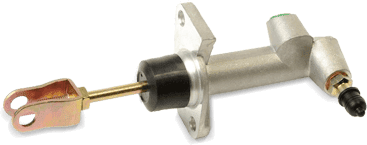
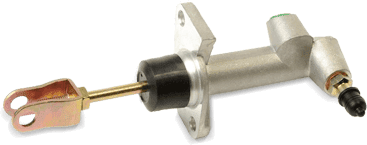
KAVO PARTS CMC-6520 Clutch master cylinderDiameter: 15,9; Supplementary Article / Supplementary Info Info 2: with brake fluid reservoir; Supplementary Article / Supplementary Info: with dehumidifier reservoir; Left-/right-hand drive vehicles: for right-hand drive vehicles72,99 £*Shipping: 8,45 £Secure redirect to the provider


-
What is better: Tylose powder, CMC, or tragacanth?
The choice between Tylose powder, CMC (carboxymethyl cellulose), and tragacanth depends on the specific application. Tylose powder is a synthetic alternative to tragacanth and is often preferred for its consistent quality and reliability. CMC is also a synthetic alternative to tragacanth and is known for its strong binding properties and resistance to breakdown in acidic conditions. Tragacanth is a natural gum that is favored for its ability to create a smooth, elastic texture in sugar paste and gum paste. Ultimately, the best option will depend on the specific needs of the project and personal preferences. **
-
Which parts do I need to replace if the clutch is broken?
If the clutch is broken, you will likely need to replace the clutch disc, pressure plate, and throwout bearing. These are the main components of the clutch system that can wear out or become damaged over time. It's also a good idea to inspect and possibly replace the clutch release fork and pilot bearing while you have the clutch system disassembled. Additionally, it's important to check the flywheel for any damage or wear and have it resurfaced or replaced if necessary. **
-
Where can I get CMC and what is it?
CMC, or Carboxymethyl cellulose, is a common food additive used as a thickener, stabilizer, and emulsifier in a variety of food products. It can be found in most grocery stores or specialty baking supply stores in the baking aisle or with other food additives. Additionally, CMC can also be purchased online from various retailers that sell baking supplies. **
-
Why is clutch wear lowest in the lowest gear?
Clutch wear is lowest in the lowest gear because the engine speed is closest to the vehicle speed in this gear. This means there is less slipping required to match the engine speed with the transmission speed, resulting in less wear on the clutch. Additionally, the torque multiplication in the lower gear reduces the load on the clutch, further decreasing wear. Overall, the lower gear allows for smoother engagement and disengagement of the clutch, minimizing wear and tear on the clutch components. **

In what order do I use the gear and clutch?
To properly use the gear and clutch in a manual transmission vehicle, you should first press the clutch pedal all the way down to disengage the engine from the transmission. Then, shift the gear lever to the desired gear (1st gear for starting from a stop, for example). Once the gear is selected, slowly release the clutch pedal while gently pressing the gas pedal to smoothly engage the engine with the transmission. Remember to always use the clutch when shifting gears to prevent damage to the transmission. **
Does it harm the clutch to start in second gear?
Starting in second gear can put extra strain on the clutch as it requires more power to get the vehicle moving. This can lead to premature wear and potential damage to the clutch over time. It is generally recommended to start in first gear to reduce strain on the clutch and ensure smooth operation of the vehicle. **
Top-Angebote
Products related to KAVO-PARTS-CMC-3517-Clutch:
-
What is CMC for fondant?
CMC, or carboxymethyl cellulose, is a food additive commonly used in fondant to improve its texture and workability. It acts as a thickening agent and helps fondant hold its shape, making it easier to roll out and mold into various shapes. CMC also helps fondant to set and harden, making it a popular choice for cake decorating. **
-
Can you omit CMC from flower paste?
No, it is not recommended to omit CMC from flower paste. CMC (carboxymethyl cellulose) is a crucial ingredient in flower paste as it helps to strengthen and stabilize the paste, allowing it to hold its shape and structure. Without CMC, the flower paste may not hold up well and could easily lose its shape and detail. Therefore, it is important to include CMC in the recipe for flower paste to ensure the best results. **
-
What is better: Tylose powder, CMC, or tragacanth?
The choice between Tylose powder, CMC (carboxymethyl cellulose), and tragacanth depends on the specific application. Tylose powder is a synthetic alternative to tragacanth and is often preferred for its consistent quality and reliability. CMC is also a synthetic alternative to tragacanth and is known for its strong binding properties and resistance to breakdown in acidic conditions. Tragacanth is a natural gum that is favored for its ability to create a smooth, elastic texture in sugar paste and gum paste. Ultimately, the best option will depend on the specific needs of the project and personal preferences. **
-
Which parts do I need to replace if the clutch is broken?
If the clutch is broken, you will likely need to replace the clutch disc, pressure plate, and throwout bearing. These are the main components of the clutch system that can wear out or become damaged over time. It's also a good idea to inspect and possibly replace the clutch release fork and pilot bearing while you have the clutch system disassembled. Additionally, it's important to check the flywheel for any damage or wear and have it resurfaced or replaced if necessary. **
Similar search terms for KAVO-PARTS-CMC-3517-Clutch
-
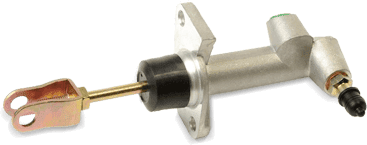
KAVO PARTS CMC-6520 Clutch master cylinderDiameter: 15,9; Supplementary Article / Supplementary Info Info 2: with brake fluid reservoir; Supplementary Article / Supplementary Info: with dehumidifier reservoir; Left-/right-hand drive vehicles: for right-hand drive vehicles72,99 £*Shipping: 8,45 £Secure redirect to the provider
-
Where can I get CMC and what is it?
CMC, or Carboxymethyl cellulose, is a common food additive used as a thickener, stabilizer, and emulsifier in a variety of food products. It can be found in most grocery stores or specialty baking supply stores in the baking aisle or with other food additives. Additionally, CMC can also be purchased online from various retailers that sell baking supplies. **
-
Why is clutch wear lowest in the lowest gear?
Clutch wear is lowest in the lowest gear because the engine speed is closest to the vehicle speed in this gear. This means there is less slipping required to match the engine speed with the transmission speed, resulting in less wear on the clutch. Additionally, the torque multiplication in the lower gear reduces the load on the clutch, further decreasing wear. Overall, the lower gear allows for smoother engagement and disengagement of the clutch, minimizing wear and tear on the clutch components. **
-
In what order do I use the gear and clutch?
To properly use the gear and clutch in a manual transmission vehicle, you should first press the clutch pedal all the way down to disengage the engine from the transmission. Then, shift the gear lever to the desired gear (1st gear for starting from a stop, for example). Once the gear is selected, slowly release the clutch pedal while gently pressing the gas pedal to smoothly engage the engine with the transmission. Remember to always use the clutch when shifting gears to prevent damage to the transmission. **
-
Does it harm the clutch to start in second gear?
Starting in second gear can put extra strain on the clutch as it requires more power to get the vehicle moving. This can lead to premature wear and potential damage to the clutch over time. It is generally recommended to start in first gear to reduce strain on the clutch and ensure smooth operation of the vehicle. **
* All prices are inclusive of VAT and, if applicable, plus shipping costs. The offer information is based on the details provided by the respective shop and is updated through automated processes. Real-time updates do not occur, so deviations can occur in individual cases. ** Note: Parts of this content were created by AI.