Buy atletyc.eu ?
We are moving the project
atletyc.eu .
Are you interested in purchasing the domain
atletyc.eu ?
domain@kv-gmbh.de · 0541-91531010
Buy atletyc.eu ?
How is a covalent bond formed when nonmetal atoms meet nonmetal atoms?
When nonmetal atoms meet nonmetal atoms, they can form covalent bonds by sharing electrons. Each nonmetal atom contributes one or more electrons to the bond, creating a shared electron pair between the two atoms. This sharing of electrons allows both atoms to achieve a more stable electron configuration, typically by filling their outermost energy levels. The strength of the covalent bond depends on the number of shared electrons and the distance between the nuclei of the bonded atoms. **
How does a nonmetal react with oxygen?
Nonmetals typically react with oxygen to form oxides. This reaction can be highly exothermic, meaning it releases a significant amount of heat. For example, when sulfur reacts with oxygen, it forms sulfur dioxide. Nonmetals generally have a high affinity for oxygen, and the resulting oxides can have a variety of properties, such as being acidic or basic. Overall, the reaction of nonmetals with oxygen is an important aspect of chemical reactivity and plays a role in various natural and industrial processes. **


Similar search terms for Nonmetal
Top-Angebote
Products related to Nonmetal:
-
Inspire Picks Intelligence Maze Gear Track Ball Logic Training Toy 1pcTurn playtime into a powerful learning experience. This engaging maze gear track ball toy challenges kids to think critically while guiding the ball through intricate tracks and moving gears. Designed as a fun logic training puzzle toy, it helps...34,93 $*Shipping: 0,00 $Secure redirect to the provider
-
Uplifted Finds Pure Vision 5G Smart Nutrition Hub Pure Vision 5G Smart Nutrition HubRevolutionize your pets dietary management with the PureVision Smart Hub, a highperformance feeding station engineered with biometricsurveillance logic. Featuring an integrated 1080P HD wideangle camera, this system provides a professionalgrade...758,97 $*Shipping: 0,00 $Secure redirect to the provider
-
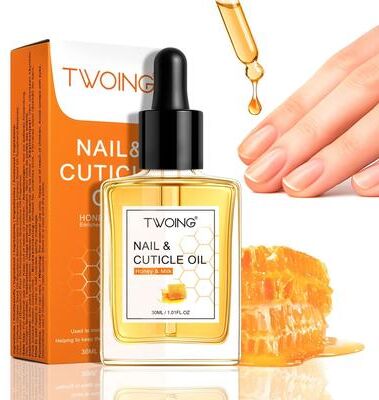
Uplift Essentials Honey Milk Cuticle & Nail Nutrition Oil Honey Milk Cuticle & Nail Nutrition OilRestore the natural strength and beauty of your hands with a professionalgrade treatment designed for deep hydration. This Honey Milk Cuticle Oil features a rich, nourishing formula specifically crafted to target dry skin and thin nails. Infused...48,97 $*Shipping: 0,00 $Secure redirect to the provider
-
Modern Mode Marketplace Tactical Rubber Toy Knife Military Training & Game Gear greenStep up your tactical play with the Rubber Toy Knife designed for maximum realism and safety. Perfect for CS game enthusiasts, military training, or outdoor adventure roleplay, this M9 dagger replica combines durability with a lightweight feel....39,97 $*Shipping: 0,00 $Secure redirect to the provider



-
How do you write formulas for nonmetal oxides?
To write formulas for nonmetal oxides, you need to first identify the nonmetal element present in the oxide. Then, determine the oxidation number of the nonmetal element. Finally, write the formula by balancing the charges of the nonmetal element and oxygen. For example, the formula for carbon dioxide (CO2) is written by balancing the +4 oxidation number of carbon with the -2 oxidation number of oxygen. **
-
How can one recognize if an element is a nonmetal?
Nonmetals can be recognized by several characteristics. They are typically located on the right side of the periodic table, are poor conductors of heat and electricity, and have dull or non-shiny appearances. Nonmetals also tend to have lower melting and boiling points compared to metals. Additionally, they often form negative ions when they react with metals. **
-
What are the differences between metal oxides and nonmetal oxides?
Metal oxides are compounds formed between a metal and oxygen, while nonmetal oxides are compounds formed between a nonmetal and oxygen. Metal oxides tend to be basic in nature, meaning they react with acids to form salts and water. Nonmetal oxides, on the other hand, tend to be acidic in nature, meaning they react with bases to form salts and water. Additionally, metal oxides typically have higher melting and boiling points compared to nonmetal oxides. **
-
What are the properties of metal oxides and nonmetal oxides?
Metal oxides are typically basic in nature, meaning they react with acids to form salts and water. They are also typically solid at room temperature and have high melting and boiling points. Nonmetal oxides, on the other hand, are usually acidic in nature, meaning they react with bases to form salts and water. They are often gases or liquids at room temperature and have lower melting and boiling points compared to metal oxides. Both types of oxides play important roles in various chemical reactions and industrial processes. **


Ionic bonding always occurs between a metal and a nonmetal.
Ionic bonding always occurs between a metal and a nonmetal because of the large difference in electronegativity between the two types of elements. Metals have low electronegativity and tend to lose electrons, while nonmetals have high electronen **
What is an electron transfer reaction between a metal and a nonmetal?
An electron transfer reaction between a metal and a nonmetal occurs when the metal atom loses one or more electrons to the nonmetal atom. This transfer of electrons results in the formation of ions, with the metal forming a positively charged ion (cation) and the nonmetal forming a negatively charged ion (anion). This type of reaction is characteristic of ionic bonding, where the attraction between the oppositely charged ions leads to the formation of an ionic compound. Examples of such reactions include the formation of sodium chloride (NaCl) when sodium (a metal) reacts with chlorine (a nonmetal). **
Top-Angebote
Products related to Nonmetal:
-
Healfit Counter Leg Stretcher, Fitness Split Training, Stretching Machine, Martial Arts Exercise Gear Leg Stretcher, Fitness Split Training, Stretching Machine, Martial Arts Exercise GearAchieve ultimate flexibility and lean, toned legs with our Stretching Machine Leg Stretcher. Made from highquality steel and ABS with a corrosionresistant finish, this durable machine ensures longlasting performance and safe workouts for all fitness...109,97 $*Shipping: 0,00 $Secure redirect to the provider
-
Uplift Picks Kids Nerf Tactical Vest Kit With Battle Gear And Protective Accessories 03Every mission feels more real when kids are fully geared up for action. This nerf tactical vest kit gives young players everything they need to jump straight into imaginative battles. Designed for comfort and durability, it keeps darts, clips, and...125,50 $*Shipping: 0,00 $Secure redirect to the provider
-
Inspire Picks Intelligence Maze Gear Track Ball Logic Training Toy 1pcTurn playtime into a powerful learning experience. This engaging maze gear track ball toy challenges kids to think critically while guiding the ball through intricate tracks and moving gears. Designed as a fun logic training puzzle toy, it helps...34,93 $*Shipping: 0,00 $Secure redirect to the provider
-
Uplifted Finds Pure Vision 5G Smart Nutrition Hub Pure Vision 5G Smart Nutrition HubRevolutionize your pets dietary management with the PureVision Smart Hub, a highperformance feeding station engineered with biometricsurveillance logic. Featuring an integrated 1080P HD wideangle camera, this system provides a professionalgrade...758,97 $*Shipping: 0,00 $Secure redirect to the provider
-
How is a covalent bond formed when nonmetal atoms meet nonmetal atoms?
When nonmetal atoms meet nonmetal atoms, they can form covalent bonds by sharing electrons. Each nonmetal atom contributes one or more electrons to the bond, creating a shared electron pair between the two atoms. This sharing of electrons allows both atoms to achieve a more stable electron configuration, typically by filling their outermost energy levels. The strength of the covalent bond depends on the number of shared electrons and the distance between the nuclei of the bonded atoms. **
-
How does a nonmetal react with oxygen?
Nonmetals typically react with oxygen to form oxides. This reaction can be highly exothermic, meaning it releases a significant amount of heat. For example, when sulfur reacts with oxygen, it forms sulfur dioxide. Nonmetals generally have a high affinity for oxygen, and the resulting oxides can have a variety of properties, such as being acidic or basic. Overall, the reaction of nonmetals with oxygen is an important aspect of chemical reactivity and plays a role in various natural and industrial processes. **
-
How do you write formulas for nonmetal oxides?
To write formulas for nonmetal oxides, you need to first identify the nonmetal element present in the oxide. Then, determine the oxidation number of the nonmetal element. Finally, write the formula by balancing the charges of the nonmetal element and oxygen. For example, the formula for carbon dioxide (CO2) is written by balancing the +4 oxidation number of carbon with the -2 oxidation number of oxygen. **
-
How can one recognize if an element is a nonmetal?
Nonmetals can be recognized by several characteristics. They are typically located on the right side of the periodic table, are poor conductors of heat and electricity, and have dull or non-shiny appearances. Nonmetals also tend to have lower melting and boiling points compared to metals. Additionally, they often form negative ions when they react with metals. **
Similar search terms for Nonmetal
-
Uplift Essentials Honey Milk Cuticle & Nail Nutrition Oil Honey Milk Cuticle & Nail Nutrition OilRestore the natural strength and beauty of your hands with a professionalgrade treatment designed for deep hydration. This Honey Milk Cuticle Oil features a rich, nourishing formula specifically crafted to target dry skin and thin nails. Infused...48,97 $*Shipping: 0,00 $Secure redirect to the provider
-
Modern Mode Marketplace Tactical Rubber Toy Knife Military Training & Game Gear greenStep up your tactical play with the Rubber Toy Knife designed for maximum realism and safety. Perfect for CS game enthusiasts, military training, or outdoor adventure roleplay, this M9 dagger replica combines durability with a lightweight feel....39,97 $*Shipping: 0,00 $Secure redirect to the provider
-
United Swimming Strength Training Belt With Elastic Resistance Cords Swim Workout Gear redTake your swimming to the next level with the ultimate swimming training equipment. Designed for swimmers of all levels, this belt and elastic cord set helps build strength, improve endurance, and enhance stroke technique. Unlike standard swim...49,97 $*Shipping: 0,00 $Secure redirect to the provider
-
Uplift Picks Kids Nerf Tactical Vest Kit With Battle Gear And Protective Accessories 05Every mission feels more real when kids are fully geared up for action. This nerf tactical vest kit gives young players everything they need to jump straight into imaginative battles. Designed for comfort and durability, it keeps darts, clips, and...125,50 $*Shipping: 0,00 $Secure redirect to the provider
-
What are the differences between metal oxides and nonmetal oxides?
Metal oxides are compounds formed between a metal and oxygen, while nonmetal oxides are compounds formed between a nonmetal and oxygen. Metal oxides tend to be basic in nature, meaning they react with acids to form salts and water. Nonmetal oxides, on the other hand, tend to be acidic in nature, meaning they react with bases to form salts and water. Additionally, metal oxides typically have higher melting and boiling points compared to nonmetal oxides. **
-
What are the properties of metal oxides and nonmetal oxides?
Metal oxides are typically basic in nature, meaning they react with acids to form salts and water. They are also typically solid at room temperature and have high melting and boiling points. Nonmetal oxides, on the other hand, are usually acidic in nature, meaning they react with bases to form salts and water. They are often gases or liquids at room temperature and have lower melting and boiling points compared to metal oxides. Both types of oxides play important roles in various chemical reactions and industrial processes. **
-
Ionic bonding always occurs between a metal and a nonmetal.
Ionic bonding always occurs between a metal and a nonmetal because of the large difference in electronegativity between the two types of elements. Metals have low electronegativity and tend to lose electrons, while nonmetals have high electronen **
-
What is an electron transfer reaction between a metal and a nonmetal?
An electron transfer reaction between a metal and a nonmetal occurs when the metal atom loses one or more electrons to the nonmetal atom. This transfer of electrons results in the formation of ions, with the metal forming a positively charged ion (cation) and the nonmetal forming a negatively charged ion (anion). This type of reaction is characteristic of ionic bonding, where the attraction between the oppositely charged ions leads to the formation of an ionic compound. Examples of such reactions include the formation of sodium chloride (NaCl) when sodium (a metal) reacts with chlorine (a nonmetal). **
* All prices are inclusive of VAT and, if applicable, plus shipping costs. The offer information is based on the details provided by the respective shop and is updated through automated processes. Real-time updates do not occur, so deviations can occur in individual cases. ** Note: Parts of this content were created by AI.