Buy atletyc.eu ?
We are moving the project
atletyc.eu .
Are you interested in purchasing the domain
atletyc.eu ?
domain@kv-gmbh.de · 0541-91531010
Buy atletyc.eu ?
What are demonstrative pronouns and relative pronouns?
Demonstrative pronouns are pronouns that are used to point to specific things or people. Examples of demonstrative pronouns include "this," "that," "these," and "those." Relative pronouns are pronouns that introduce dependent clauses and connect them to independent clauses. Examples of relative pronouns include "who," "whom," "whose," "which," and "that." **
Why are demonstrative pronouns called demonstrative pronouns?
Demonstrative pronouns are called demonstrative because they demonstrate or point to a specific noun or pronoun in a sentence. They help to indicate the position or location of the noun or pronoun in relation to the speaker or listener. By using demonstrative pronouns such as "this," "that," "these," and "those," speakers can make their communication more precise and clear by specifying which person, place, thing, or idea they are referring to. **
Similar search terms for Pronouns
Top-Angebote
Products related to Pronouns:
-
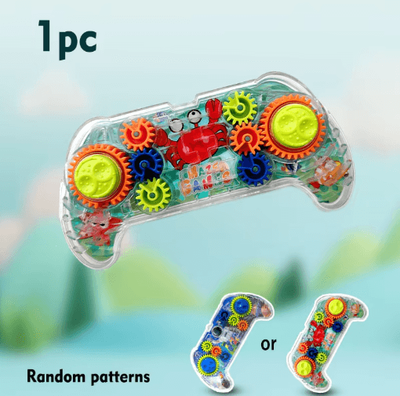
Inspire Picks Intelligence Maze Gear Track Ball Logic Training Toy 1pcTurn playtime into a powerful learning experience. This engaging maze gear track ball toy challenges kids to think critically while guiding the ball through intricate tracks and moving gears. Designed as a fun logic training puzzle toy, it helps...34,93 $*Shipping: 0,00 $Secure redirect to the provider
-
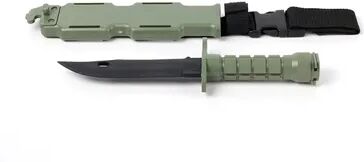
Modern Mode Marketplace Tactical Rubber Toy Knife Military Training & Game Gear blackStep up your tactical play with the Rubber Toy Knife designed for maximum realism and safety. Perfect for CS game enthusiasts, military training, or outdoor adventure roleplay, this M9 dagger replica combines durability with a lightweight feel....39,97 $*Shipping: 0,00 $Secure redirect to the provider
-
United Swimming Strength Training Belt With Elastic Resistance Cords Swim Workout Gear redTake your swimming to the next level with the ultimate swimming training equipment. Designed for swimmers of all levels, this belt and elastic cord set helps build strength, improve endurance, and enhance stroke technique. Unlike standard swim...49,97 $*Shipping: 0,00 $Secure redirect to the provider
-
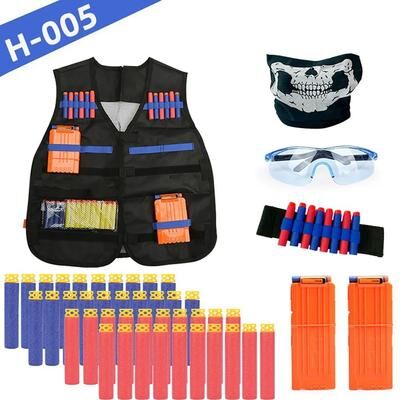
Uplift Picks Kids Nerf Tactical Vest Kit With Battle Gear And Protective Accessories 02Every mission feels more real when kids are fully geared up for action. This nerf tactical vest kit gives young players everything they need to jump straight into imaginative battles. Designed for comfort and durability, it keeps darts, clips, and...96,50 $*Shipping: 0,00 $Secure redirect to the provider


-
With which pronouns do many people confuse reflexive pronouns?
Many people confuse reflexive pronouns with personal pronouns. For example, they may use "myself" or "yourself" instead of "me" or "you" in a sentence. This confusion often occurs when people are trying to emphasize the subject of the sentence, but they mistakenly use a reflexive pronoun instead of a personal pronoun. It's important to understand the difference between reflexive and personal pronouns in order to use them correctly in sentences. **
-
What are pronouns?
Pronouns are words that are used in place of nouns to avoid repetition in a sentence. They can refer to people, places, things, or ideas. Pronouns help make sentences clearer and more concise by replacing specific nouns with general words like "he," "she," "it," "they," and "we." Using pronouns also helps to maintain the flow of writing and make it more engaging for the reader. **
-
What is the difference between personal pronouns and reflexive pronouns?
Personal pronouns are used to refer to people or things, such as "I," "you," "he," "she," "it," "we," and "they." Reflexive pronouns, on the other hand, are used when the subject and object of a sentence are the same person or thing, such as "myself," "yourself," "himself," "herself," "itself," "ourselves," and "themselves." Reflexive pronouns are used to reflect the action back onto the subject, while personal pronouns simply refer to the subject or object. **
-
Which pronouns do many people often confuse with reflexive pronouns?
Many people often confuse reflexive pronouns with intensive pronouns. Intensive pronouns are used to emphasize a preceding noun or pronoun, while reflexive pronouns are used when the subject and object of a sentence are the same. For example, "I myself will do it" uses an intensive pronoun, while "I hurt myself" uses a reflexive pronoun. It is important to understand the distinction between these two types of pronouns to use them correctly in sentences. **
Can you help me with personal pronouns and possessive pronouns?
Certainly! Personal pronouns are used to replace nouns in a sentence, such as "I", "you", "he", "she", "it", "we", and "they". Possessive pronouns show ownership or possession, such as "mine", "yours", "his", "hers", "ours", and "theirs". If you need help understanding how to use these pronouns in a sentence or identifying which pronoun to use in a specific context, feel free to ask for more guidance. **
What is the difference between relative pronouns and interrogative pronouns?
Relative pronouns are used to connect a dependent clause to an independent clause, providing more information about a noun in the independent clause. They include words like "who," "which," and "that." Interrogative pronouns, on the other hand, are used to ask questions and gather information. They include words like "who," "what," "which," "whom," and "whose." The main difference between the two is their function in a sentence - relative pronouns connect clauses, while interrogative pronouns are used to ask questions. **
Top-Angebote
Products related to Pronouns:
-
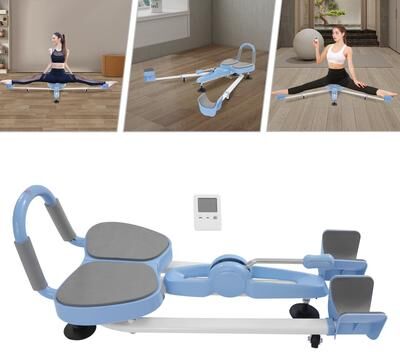
Healfit Counter Leg Stretcher, Fitness Split Training, Stretching Machine, Martial Arts Exercise Gear Leg Stretcher, Fitness Split Training, Stretching Machine, Martial Arts Exercise GearAchieve ultimate flexibility and lean, toned legs with our Stretching Machine Leg Stretcher. Made from highquality steel and ABS with a corrosionresistant finish, this durable machine ensures longlasting performance and safe workouts for all fitness...109,97 $*Shipping: 0,00 $Secure redirect to the provider
-
Uplift Picks Kids Nerf Tactical Vest Kit With Battle Gear And Protective Accessories 05Every mission feels more real when kids are fully geared up for action. This nerf tactical vest kit gives young players everything they need to jump straight into imaginative battles. Designed for comfort and durability, it keeps darts, clips, and...125,50 $*Shipping: 0,00 $Secure redirect to the provider
-
Inspire Picks Intelligence Maze Gear Track Ball Logic Training Toy 1pcTurn playtime into a powerful learning experience. This engaging maze gear track ball toy challenges kids to think critically while guiding the ball through intricate tracks and moving gears. Designed as a fun logic training puzzle toy, it helps...34,93 $*Shipping: 0,00 $Secure redirect to the provider
-
Modern Mode Marketplace Tactical Rubber Toy Knife Military Training & Game Gear blackStep up your tactical play with the Rubber Toy Knife designed for maximum realism and safety. Perfect for CS game enthusiasts, military training, or outdoor adventure roleplay, this M9 dagger replica combines durability with a lightweight feel....39,97 $*Shipping: 0,00 $Secure redirect to the provider
-
What are demonstrative pronouns and relative pronouns?
Demonstrative pronouns are pronouns that are used to point to specific things or people. Examples of demonstrative pronouns include "this," "that," "these," and "those." Relative pronouns are pronouns that introduce dependent clauses and connect them to independent clauses. Examples of relative pronouns include "who," "whom," "whose," "which," and "that." **
-
Why are demonstrative pronouns called demonstrative pronouns?
Demonstrative pronouns are called demonstrative because they demonstrate or point to a specific noun or pronoun in a sentence. They help to indicate the position or location of the noun or pronoun in relation to the speaker or listener. By using demonstrative pronouns such as "this," "that," "these," and "those," speakers can make their communication more precise and clear by specifying which person, place, thing, or idea they are referring to. **
-
With which pronouns do many people confuse reflexive pronouns?
Many people confuse reflexive pronouns with personal pronouns. For example, they may use "myself" or "yourself" instead of "me" or "you" in a sentence. This confusion often occurs when people are trying to emphasize the subject of the sentence, but they mistakenly use a reflexive pronoun instead of a personal pronoun. It's important to understand the difference between reflexive and personal pronouns in order to use them correctly in sentences. **
-
What are pronouns?
Pronouns are words that are used in place of nouns to avoid repetition in a sentence. They can refer to people, places, things, or ideas. Pronouns help make sentences clearer and more concise by replacing specific nouns with general words like "he," "she," "it," "they," and "we." Using pronouns also helps to maintain the flow of writing and make it more engaging for the reader. **
Similar search terms for Pronouns
-
United Swimming Strength Training Belt With Elastic Resistance Cords Swim Workout Gear redTake your swimming to the next level with the ultimate swimming training equipment. Designed for swimmers of all levels, this belt and elastic cord set helps build strength, improve endurance, and enhance stroke technique. Unlike standard swim...49,97 $*Shipping: 0,00 $Secure redirect to the provider
-
Uplift Picks Kids Nerf Tactical Vest Kit With Battle Gear And Protective Accessories 02Every mission feels more real when kids are fully geared up for action. This nerf tactical vest kit gives young players everything they need to jump straight into imaginative battles. Designed for comfort and durability, it keeps darts, clips, and...96,50 $*Shipping: 0,00 $Secure redirect to the provider
-
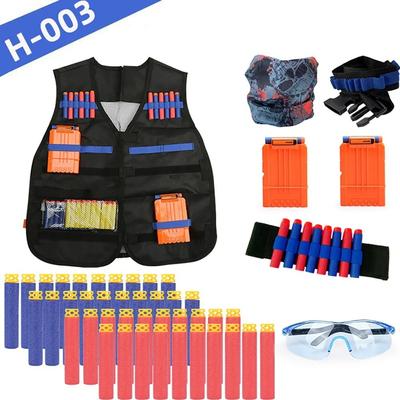
Uplift Picks Kids Nerf Tactical Vest Kit With Battle Gear And Protective Accessories 03Every mission feels more real when kids are fully geared up for action. This nerf tactical vest kit gives young players everything they need to jump straight into imaginative battles. Designed for comfort and durability, it keeps darts, clips, and...125,50 $*Shipping: 0,00 $Secure redirect to the provider
-
Modern Mode Marketplace Tactical Rubber Toy Knife Military Training & Game Gear greenStep up your tactical play with the Rubber Toy Knife designed for maximum realism and safety. Perfect for CS game enthusiasts, military training, or outdoor adventure roleplay, this M9 dagger replica combines durability with a lightweight feel....39,97 $*Shipping: 0,00 $Secure redirect to the provider
-
What is the difference between personal pronouns and reflexive pronouns?
Personal pronouns are used to refer to people or things, such as "I," "you," "he," "she," "it," "we," and "they." Reflexive pronouns, on the other hand, are used when the subject and object of a sentence are the same person or thing, such as "myself," "yourself," "himself," "herself," "itself," "ourselves," and "themselves." Reflexive pronouns are used to reflect the action back onto the subject, while personal pronouns simply refer to the subject or object. **
-
Which pronouns do many people often confuse with reflexive pronouns?
Many people often confuse reflexive pronouns with intensive pronouns. Intensive pronouns are used to emphasize a preceding noun or pronoun, while reflexive pronouns are used when the subject and object of a sentence are the same. For example, "I myself will do it" uses an intensive pronoun, while "I hurt myself" uses a reflexive pronoun. It is important to understand the distinction between these two types of pronouns to use them correctly in sentences. **
-
Can you help me with personal pronouns and possessive pronouns?
Certainly! Personal pronouns are used to replace nouns in a sentence, such as "I", "you", "he", "she", "it", "we", and "they". Possessive pronouns show ownership or possession, such as "mine", "yours", "his", "hers", "ours", and "theirs". If you need help understanding how to use these pronouns in a sentence or identifying which pronoun to use in a specific context, feel free to ask for more guidance. **
-
What is the difference between relative pronouns and interrogative pronouns?
Relative pronouns are used to connect a dependent clause to an independent clause, providing more information about a noun in the independent clause. They include words like "who," "which," and "that." Interrogative pronouns, on the other hand, are used to ask questions and gather information. They include words like "who," "what," "which," "whom," and "whose." The main difference between the two is their function in a sentence - relative pronouns connect clauses, while interrogative pronouns are used to ask questions. **
* All prices are inclusive of VAT and, if applicable, plus shipping costs. The offer information is based on the details provided by the respective shop and is updated through automated processes. Real-time updates do not occur, so deviations can occur in individual cases. ** Note: Parts of this content were created by AI.